
Most people picture a wall of flames when they think about wildfire. The fire-safety research points somewhere smaller. According to NFPA's Firewise program, embers and small flames are the main way most homes ignite in wildfires. Embers can ride the wind more than a mile.
That's why this is a fall job, not a July job. In a June 18, 2026 Idaho News 6 interview, Boise Fire Wildfire Captain Garrett Kirpach said this "needs to be the fall before or that spring," and that once it is the middle of summer, "we're kind of stuck with what we've got."
Here's a practical checklist, room by room around the outside of the house. For each item we've noted whether it's a DIY job, something a handyman can usually handle, or work for a specialist. The broader exterior calendar is in the Treasure Valley exterior home care guide.
Start with the first five feet
NFPA calls the house plus the area 0 to 5 feet from it the immediate zone. It's the most vulnerable to embers and the place to start.
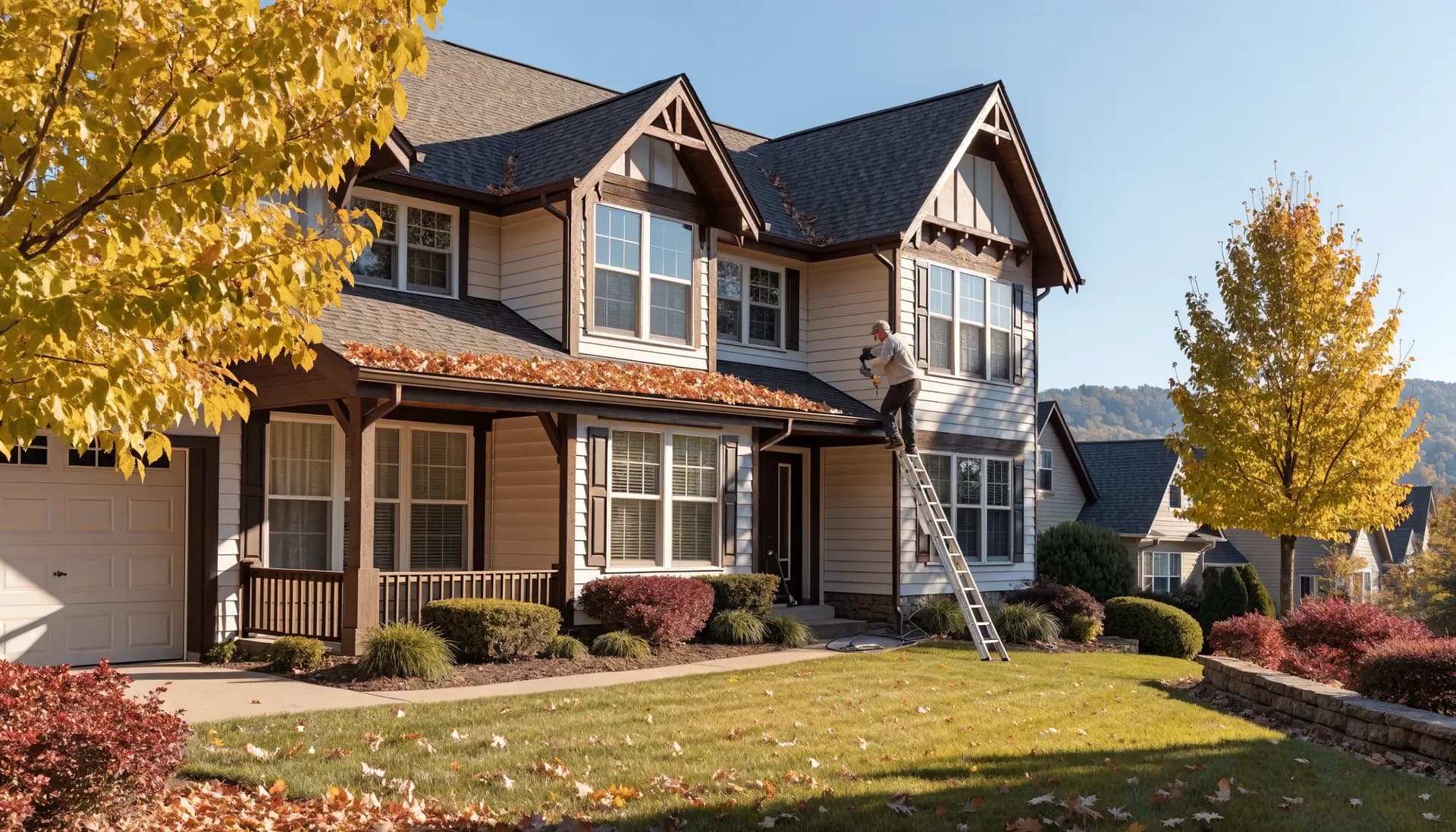
Clear the roof and gutters. Dead leaves, pine needles, and debris in gutters are exactly what a stray ember needs.
- DIY if you're comfortable on a ladder and the roofline is low.
- Handyman: gutter cleaning, resealing seams, and re-pitching runs are on our fence, deck, and gutter repair list. A full gutter clean on a single-story home takes about 1.5 to 2.5 hours.
- Bonus: a fall cleaning also helps gutters handle winter melt. See our gutter cleaning schedule for Boise.
Check the roof covering itself. NFPA recommends repairing or replacing loose or missing shingles or tiles so embers can't get underneath.
- Specialist: roofing work goes to a licensed roofer. If we spot it while we're up on a gutter visit, we'll tell you.
Screen the vents. NFPA recommends 1/8-inch metal mesh over eave vents and exterior attic vents, and clearing debris from them first.
- DIY or handyman, depending on access. Send photos and we'll tell you plainly whether it fits a handyman visit.
Fix screens and broken glass. Damaged window screens and broken windows give embers an easy way in.
- Handyman: window operation fixes like sticking sashes and locks are part of our carpentry and trim work. Ask about screens when you send photos.
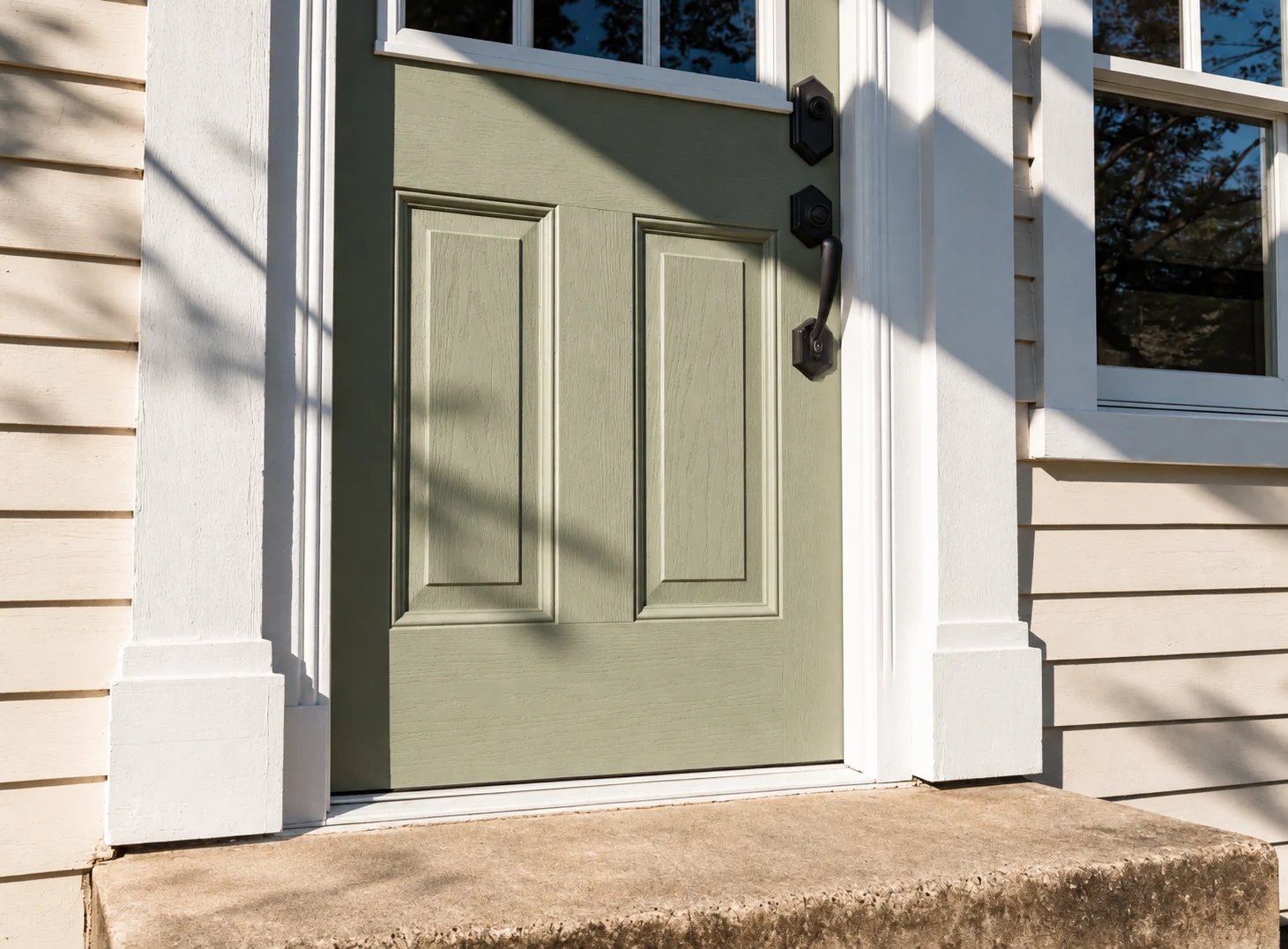
Close up the gaps. Keep embers out of the places they can lodge. Exterior caulking at siding joints, windows, and penetrations, along with weatherstripping and door sweeps, are part of our home maintenance services. They also help with winter drafts. See preparing your Boise home for winter.
Deal with what's under the deck. NFPA recommends removing anything stored under decks and porches. It also suggests screening or boxing in the area below with wire mesh so debris can't collect there.
- DIY: clear it out.
- Handyman: loose deck boards and railings are repair jobs we take on regularly. Ask whether skirting or screening fits the visit.
Move what burns away from the walls. NFPA lists mulch, flammable plants, leaves and needles, and firewood piles. In that same June 18, 2026 interview, Captain Kirpach called out bark mulch beds in particular: "that's just a bunch of fuel sitting right next to your house." Boise Fire also urged caution with highly flammable plants like junipers and some decorative pines.
- DIY: rake out, relocate the woodpile, and consider rock or other noncombustible ground cover right against the house.
Then the 5 to 30 foot zone
NFPA's intermediate zone is about breaking up the fuel that could carry fire toward the house:
- Keep lawns and native grasses mowed to about four inches.
- Prune trees up to six to ten feet from the ground (on shorter trees, no more than one-third of the tree's height) so a ground fire can't climb into the canopy.
- Use driveways, walkways, and patios as fuel breaks.
- Clear vegetation from under large propane tanks.
Bigger tree work and spacing decisions belong with an arborist or forestry professional. NFPA says spacing needs vary with slope and species.
Use the free local programs
If you live in Boise, check two free programs:
- Wildfire Home Safety Evaluation. Ada Fire Adapted offers a free home wildfire evaluation to help you learn which changes would make your home more ember-resistant. Request one here.
- Neighborhood Chipping Program. For homes in the City of Boise's designated wildland-urban interface, Boise Fire offers free curbside chipping of woody debris. The City of Boise's April 28, 2026 guidelines: branches up to 12 inches in diameter, piles no bigger than 5' x 5' x 5', stacked within five feet of the road edge. You have to sign up in advance. Signing up for the home evaluation also makes you eligible for chipping, which you register for separately.
The City of Boise notes that in the past ten years, wildfires have burned more than 15,000 acres in the Boise foothills.
A realistic weekend plan
- Saturday morning: walk the house with this list and take photos of gutters, vents, screens, deck edges, and anything stacked against the walls.
- Saturday afternoon: do the DIY items: rake out the first five feet, move the woodpile, and clear under the deck.
- Send us the photos of anything on the handyman list. We review the scope, agree a written quote and visit plan, and flag anything that belongs with a roofer or arborist.
- If you're in Boise's WUI, request the free evaluation and schedule chipping for the branches you've cut.
None of this makes a home fireproof, and no one can promise that. In the June 18, 2026 interview, Captain Kirpach's advice was not to assume firefighters can defend every structure during a fast-moving fire. Ada Fire Adapted puts the goal this way: changes that help your home withstand the brunt of a wildfire without the assistance of firefighters or fire equipment.
Send photos for a written quote
Sources: NFPA Firewise USA, "Preparing homes for wildfire"; City of Boise, "Boise Fire Department Highlights Free Chipping Program" (April 28, 2026); Ada Fire Adapted, Wildfire Home Safety Evaluation; Idaho News 6 (KIVI), "Boise Fire encourages homeowners to prepare before wildfire season" (June 18, 2026).
Boise Handyman Co · A P5 Home Company